Welcome to the Guardians of the Forest
Where we grow, alongside nature.
Where we grow, alongside nature.
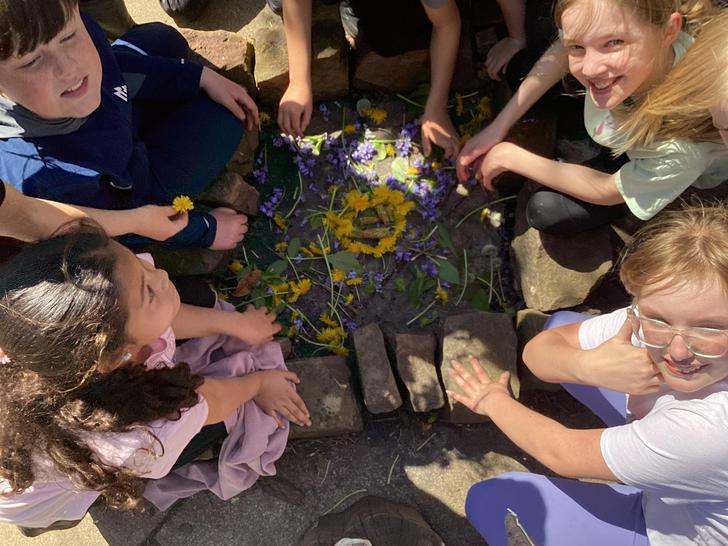
Forest School offers an alternative learning environment, whilst building self-esteem and independence of pupils through exploration, reflection and experiences which are well-disciplined and stimulating. The aim is to provide opportunities for ‘positive experiences and participation in engaging, motivating and achievable tasks and activities in a woodland environment, helping to develop personal and social and emotional skills’. We are dedicated to cultivating a sense of care and connection between our children and the natural world.
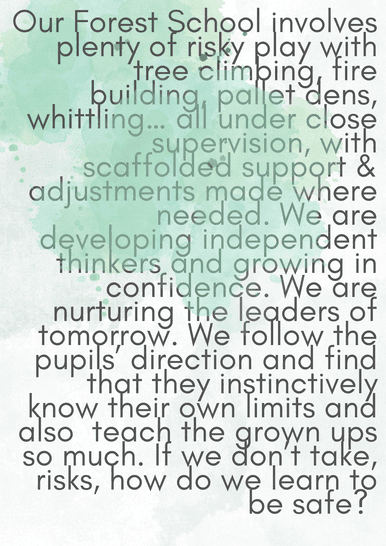
Strict safety routines and established boundaries are in placed that allows the flexibility and freedom for child-initiated learning combined with ‘risky’ play.
The ethos of Forest Schools allows learners the time and space to develop skills, interests and understanding through practical, hands-on experiences.
Pupils gain a better understanding of how all of life is connected and experience how our actions influence the world around us. With this understanding, we hope that our children will make choices in their daily lives to improve the health of the earth, themselves and each other.
Our staff are fully trained and have tailored the Forest School programme to meet the diverse range of needs of our pupils; continuously developing as the children grow in confidence, skills and understanding.
The children are closely supervised to ensure their safety, to observe and encourage their personal development whilst supporting and scaffolding learning.
The Forest School ethos is embedded into all we do, in which children can use their talents to thrive, equipping them to be life-long learners.
We value the partnership which exists between school, parents and community and the part it plays in securing this vision.
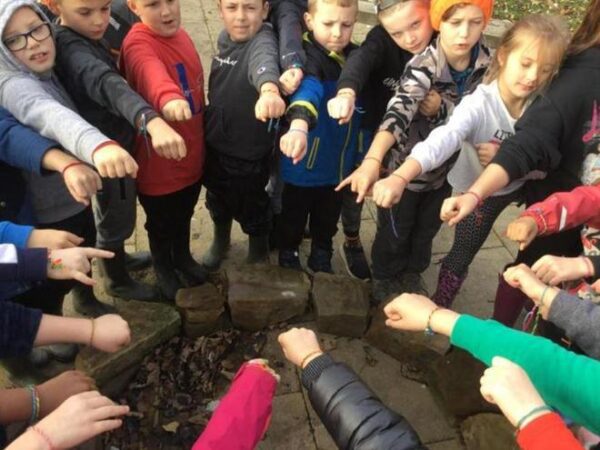
Forest School Leaders engage in ongoing risk assessment before, during and after activities.
Risk assessment is an integral part of Forest School as learners develop their self-esteem and learn to manage risk for themselves.
Forest School uses tools and fires when appropriate to the learners, and dependent on completion of a baseline risk assessment.
Any Forest School experience follows a ‘risk–benefit’ process managed jointly by the practitioner and learner that is tailored to the developmental stage of the learner.
1) Forest School is a long-term learning opportunity consisting of frequent and regular sessions, that takes place in a natural environment throughout the year, in all weathers. Forest School aims to foster a partnership between pupils, parents and teaching staff to deepen our understanding and shape future learning experiences. The cycle of planning, observation, adaptation, and review links each session.
2) Forest School takes place in a woodland or natural wooded environment to support the development of a relationship between the learner and the natural world. Forest School uses natural resources whilst considering sustainability to stimulate and extend imagination and curiosity.
3) Forest School aims to promote the holistic development of all those involved, fostering resilient, confident, independent and creative learners where all involved can grow in confidence, resilience and independence, both physically and psychologically. Forest School aims to link, where possible, curriculum and life experiences in a meaningful way with hands-on practical investigations.
4) Forest School offers learners the opportunity to push boundaries to try new things and take supported risks appropriate to the environment and to themselves, whilst under a safety net of skilled supervision. The use of tools and fire form a part of the Forest School Programme following the interests and abilities of the learners. Strict safety procedures are adhered to and robust risk assessments in place.
5) Forest School is run by Level 3 qualified Forest School practitioners with Paediatric and Forest School First Aid Certificates and full DBS, who continuously maintain and develop their professional practice. The adult to child ratio is dependent on the age and number in the group. All adults on site are aware of policies and procedures relating to Forest School.
6) Forest School allows a range of learner-centred, exploration and play based learning and development opportunities. Planning to achieve this is achieved by observation of and communication. Play and choice are integral features of Forest School. Equal value is given to all ages, abilities and learning styles. Forest School gives time for calm reflection, understanding of achievements and the development of emotional intelligence in order to plan our next adventures.
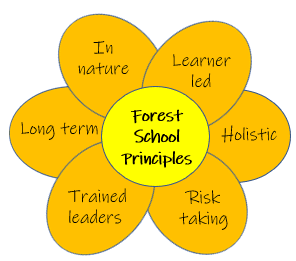
The Forest School and Outdoor Learning Experiences we offer at Guardian Angels’, bring our home grown, broad and balanced curriculum to life, whilst providing opportunity for our pupils to work independently and co-operatively, take managed risks, make their own choices and initiate their learning.
Sessions are primarily ‘child-led’.
We do also provide hooks in to creative and skill based learning opportunities which many pupils benefit from which are also be linked to the forest principles, theory and ethos.
Forest School pedagogy supports the holistic development of the child. Activities range from team building and those that build confidence and self-esteem, to looking at the science of the wood, its history and future.
The health of the whole child plays a huge role as pupils will be active in our natural environment on school grounds. The use of our woodland setting, the real tools and the natural resources aims to bring learning to life, whilst creating an understanding of the balance of nature and the finite resources around us; sustainability and the awareness of taking care of our planet.
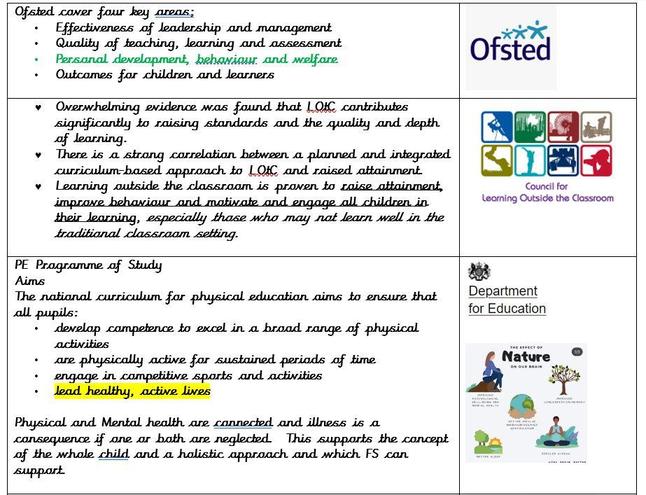

See this CAFOD clip which explains Laudato Si and Climate Change. – The Forest School ethos supports this agenda.
We plan for every child in the early session stages, then support the children in leading the sessions through their own interests. We encourage our pupils to take informed, self-calculated risks and choices to ensure their safety, developing sympathy and empathy to the group around them. Working as a team to solve problems, fostering communication and negotiation skills.
Pupils experience nature first-hand through play and a series of engaging and achievable tasks with links to all areas of the Early Years Foundation Stage Framework, National Curriculum, Learning Outside the Classroom (LOtC), SEMH and the Every Child Matters Strategy.
Reflective practice is a feature of each session to ensure learners and practitioners can understand their achievements, develop emotional intelligence and plan for the future.
Practitioner observation is an important element of Forest School pedagogy.
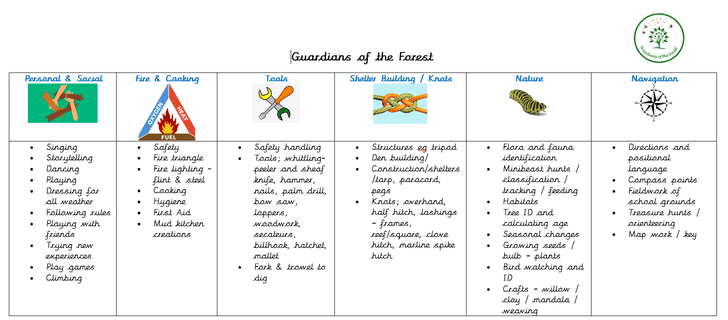
Using our ‘Progression of Skills Map’, we are able to use observations to feed into ‘scaffolding’ and tailor experiences in learning and development.
Learnings are captured using a digital diary as part of a whole class learning journey log.
The are many benefits and this overview is not exhaustive.
We aim for our children to be impacted through;
Communication and language skills are a focus alongside problem solving, resilience and an ability to establish boundaries for risk taking.
We aim to equip our pupils so that they leave us as a well-rounded individual who is:
These are the values and attributes of a true ‘Guardian of the Forest.’
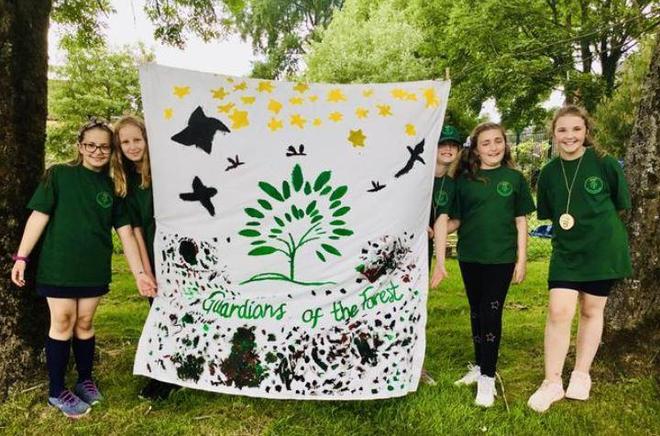
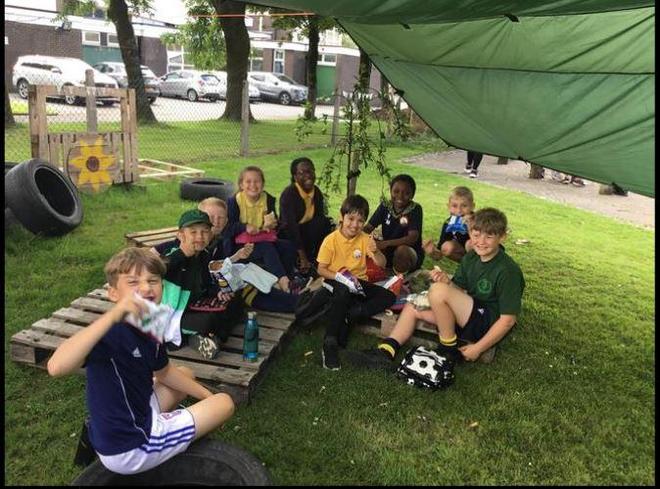
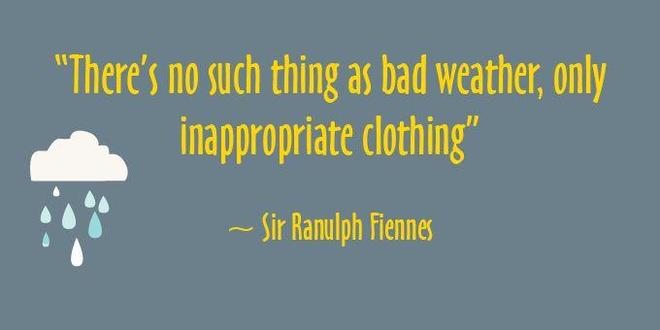
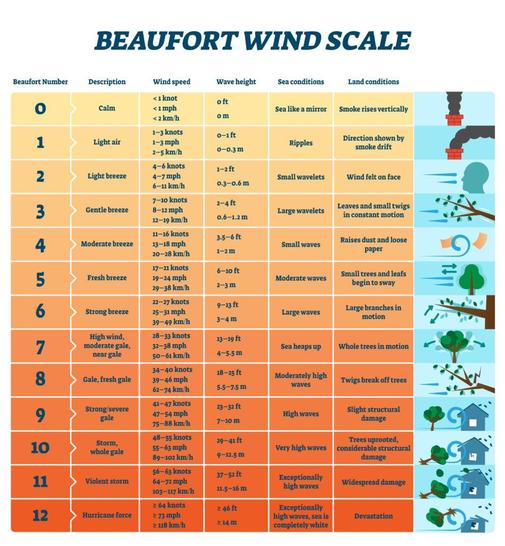
We love to go out whatever the weather (unless it’s high winds and lightning as it’s not safe to be under trees!) … but otherwise, we’re good to go! Tarpaulin is great to create a shelter with on rainy days and frost creates a magical winter wonderland! We also have a bell tent and bungalow for a cosy space whilst the trees provide shade from the elements.
Please ensure your child has layers of clothing appropriate to the temperature and the season.
These should be old clothes or clothes that you do not mind getting dirty. They will get dirty and possibly torn.
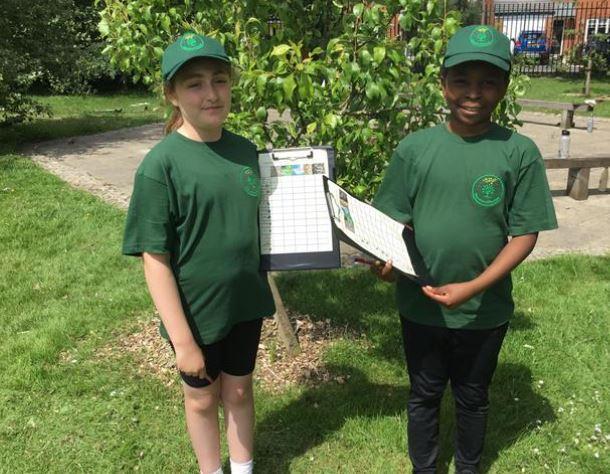
Forest School sessions will be held on the school premises and school allotment. Ratios of staff to children will be maintained.
Staff supporting the session have read through the digital handbook prior to familiarise themselves with the expectations.
When the whistle is blown, pupils should stop what they are doing safely and meet at base-camp.
Children are aware of the boundaries and spaces to explore in.
At the end of each session, children will be asked to gather at base camp. Pupils have the choice to share what their experience and adventures in an encouraging, relaxed, calm atmosphere.
If it is a morning session, children will be led back to their classroom, where they remove muddy boots or clothing and change in to dry clothes and clean footwear.
Once children are in their classroom, the Forest School Leader will conduct a maintenance/safety check of any equipment that has been used and ensure all is returned to the shed secure.
The Forest School Leader will evaluate the session noting comments/views from the support staff, which will be considered in future planning.
Pupils and staff are all responsible for the upkeep of the grounds. Equipment should be tidied away after the session and no trace of food or rubbish left behind.
All our children have the right to protection, regardless of age, gender, race, culture or disability. All staff follow procedures outlined in the school Child Protection, Confidentiality and Safeguarding policy.
As children will be developing self-esteem and building a strong relationship with the Forest School Leader/s, there may be times when a child confides in an adult.
All disclosures from children should be brought to the attention of the Executive Head teacher, Mrs Davies and / or the DSL Team.
Pupils will be told that confidential information must be shared with the with the Safeguarding Leads and a written report will be passed on to them.
All members of staff will be made aware of the school’s whistle blowing policy and are encouraged to raise any concerns relating to practice in school in line with the policy.
All discussions regarding children at Forest School should be kept within the bounds of Forest School. All parental consent forms and other data will be kept in accordance with the school’s GPDR Policy. These documents will be kept in a locked cupboard within the school office.
The School’s Health and Safety Policy will ensure that all learners and adults can be safe in the Forest School environment.
The Forest School Leader will risk assess the site before use. This will include risks involving access the site, site contents and site boundaries, additionally the Forest School Leader will carry out a daily risk assessment to ensure that any uncontrollable changes (weather) can be addressed.
Where activities deemed to be adventurous, an activity risk assessment will also be carried out. Forest School staff should make themselves aware of the school’s Health and Safety Policy, particularly the arrangements and procedures for ensuring the health and safety of children working at Forest School, the tools used at Forest School and the risk assessments carried out for Forest School.
Forest School Leaders, Teaching and Support Staff are responsible for setting the tone and context for positive behaviour within Forest School.
The policy is designed to promote good behaviour and good behaviour for learning rather than merely deter anti-social behaviour.
Adults have the responsibility to develop an environment in which effective learning takes place; A place where there is mutual respect between all members of the learning community.
All adults are to treat all children fairly, apply this behaviour policy in a consistent way and reward good behaviour as we believe this will develop an ethos of kindness and cooperation. All children will develop a sense of self-discipline and an acceptance of responsibility for their own actions at Forest School.
If a child has a minor accident the Forest School Leader will administer first aid and follow the school’s procedure.
In the event of a serious accident that cannot be solely dealt with by the First Aider, the adults will follow the ‘Serious Emergency Procedure’.
Adults will divide roles. Adult 1 will gather the rest of the group together away from the incident (ideally at basecamp or story circle) and keep pupils calm. Adult 2 will administer First Aid and seek support from the lead first aid for support and if required, request that the Office Manager contact the emergency services.
The School Office will let the emergency services on to the grounds. Other available adults can be on hand to support Adult 1 or 2, depending on how great the need is. A trained First Aider will remain with the child/ren at all times until emergency services arrive and ask the member of staff to stop administering first aid.
If the emergency services arrive before the parents, a member of staff will accompany the child/ren to hospital taking any relevant information kept in the emergency bag. Necessary paperwork will be completed by the Forest School leader and School Business Manager as soon as possible.
The first aid kit will be stocked with appropriate equipment at all times. This will be checked and replenished on a regular basis by Mrs Shaw and Mrs Shine who both hold up-to-date paediatric and Forest School First Aid Certificates.
The Forest School Leaders (Mrs Shaw and Mrs Shine) will oversee the planning, delivery and assessment of Forest School.
Staff supporting Forest School sessions have completed a DBS check.
All staff have access to this digital handbook and are required to follow the guidelines within.
Forest School information is shared with parents/carers and updated as appropriate on the school website.
Photos/Social Media posts will be shared with the parents via the school website.
Parents/careers may be invited to attend certain sessions to be involved with their child’s development.
Before parents are invited, an initial letter will be sent out with the consent of the Executive Head teacher/Head of School.
The decision to cancel a Forest School session will be made by the Forest School Leader.
In the event of a session being cancelled for any reason e.g. extreme weather, causing unsafe conditions within the Forest School site (broken branches, slippery surfaces, lighting) or staffing issues e.g. not enough staff to safely supervise the children, the session will be replaced by a class led session.
All staff and children involved will be informed as soon as possible.
At Guardian Angels’ RCPS, we follow a Healthy Schools Policy, providing children with healthy snacks and a balanced diet.
Food used at the Forest School site will be prepared in school by staff and transported in appropriate, clean containers.
Hand washing is available by using anti-bacterial hand wash gels and fresh water transported in a dispenser will used.
Risk regarding food allergies will be assessed before each planned food session.
Any waste is to be disposed of and the site left with ‘no trace’.
The Forest School Leader will plan all activities with involvement from support staff. Activities will take into account the individual child’s needs, confidence and ability level. Observations and evaluations will be added to the weekly planning, tailoring sessions and aiding child development.
Before tools can be used within a group or 1;1, an initial assessment needs to be made by the Forest School Leader to whether the children are ready/capable to use them in a safe manner.
All tools are to be stored in a container in a locked outdoor storage unit. Staff will transport the tools to and from the Forest School working area.
All tools will be counted before and after each session using the inventory checklist. The tools will be kept in a designated area on site during these specific activities.
All staff and children will be made aware of the zone for tool work and the rules relating to their use. Children should only access the tools when instructed to do so and when supervised by the Forest School Leader.
‘Tool talks’ will be compulsory before children handle any tools.
Safe working distances will be also made aware to children. Appropriate resources will be provided to support the safe use of tools e.g. chopping block, a frame, gloves.
Staff and children will all be required to wear appropriate, safe clothing when working with tools e.g. no loose clothing, no fashion gloves, safety gloves.
At the end of each session the Forest School Leader will dry, clean and check the condition of the tools.
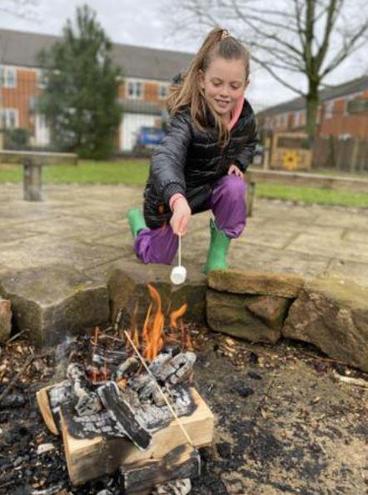
A fire area is established on site at our ‘base camp’. This is a safe distance from other structures and we have clear exit routes.
A fire kit, fire blanket and water will be kept in the fire area near the fire when this is in use.
Seating is a safe distance away from the fire on benches.
Pupils will be involved in the building process of a fire to gain ownership and understanding of the fire area – this is an invited process.
Safety rules and procedures will be shared with and rehearsed by staff and pupils before the fire is lit. Pupils should learn to never cross the fire pit zone to exit the area, we go ’round the outside’.
This process will be repeated for several weeks before the pupils are ready for the fire to be lit and behaviour expectations established prior. Staff will light and extinguish the fire. Pupils may use the flint and steel with close support and guidance.
Cooking activities may take place during the fire sessions. Any food cooked on site should be left to cool at an adequate temperature in a clean environment before allowing children to eat.
Before each Forest School session, children are reminded to go to the toilet. While on site, if a child/ren need to use the toilet, a member of staff will accompany the child/ren to a school toilet. Gates should be locked or closed securely on entry/exit.
The Forest School Leader will always stay with the rest of the group at the Forest School site.
How to hack in to our happy chemicals…
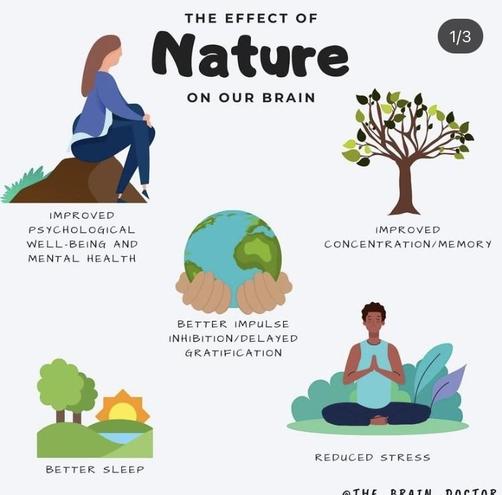
Enables motivation, learning and pleasure.
Gives you determination to accomplish goals, desires and needs.
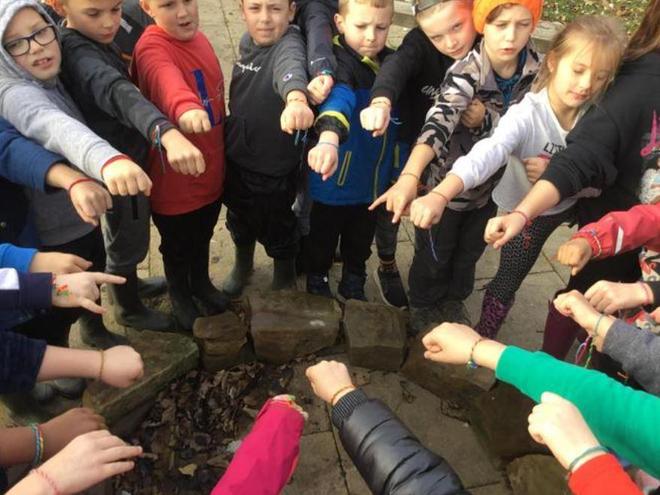
Gives a feeling of trust.
Motivates you to build and sustain relationships.
Feeling significant or important amongst peers.
Calm form of accepting people around you.
Releases a brief euphoria to mask physical pain.
Alleviates anxiety and depression.
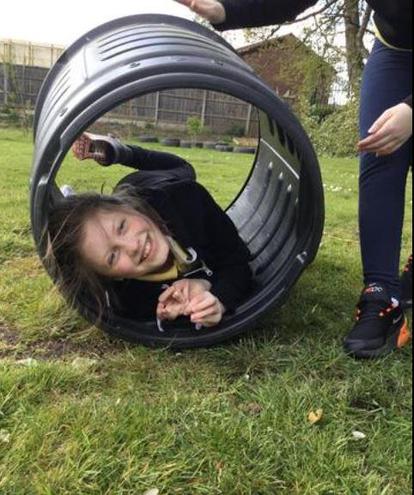
There are numerous experts in education, whose views support the concept of learning in a Forest School setting.
Here are just a few…!
1782 – 1857
Friedrich was the first person to develop a ‘Kindergarten’ which focused on sensory experience in nature.
He recognised the importance of play in child development.
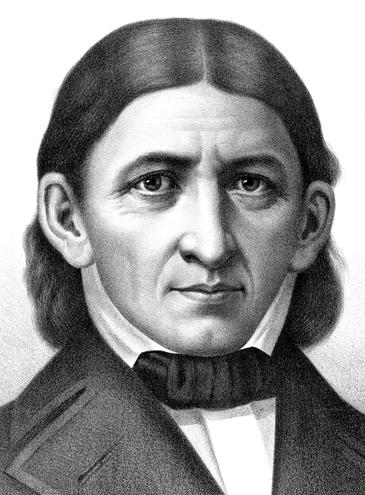
Frobel
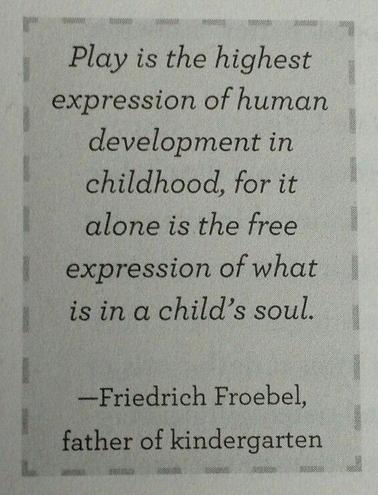
Play
1859 – 1952
Dewey believed that education should be based on real-life situations.
Each planned session uses reflective practice to evaluate and plan following FS sessions based on the interest of the group.
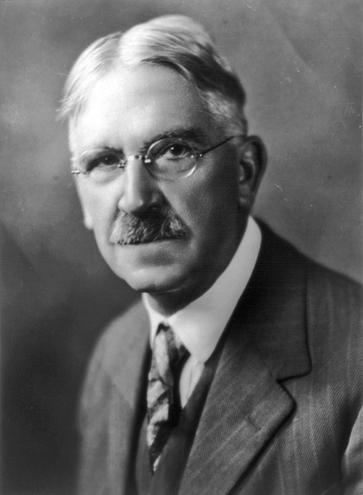
Dewey
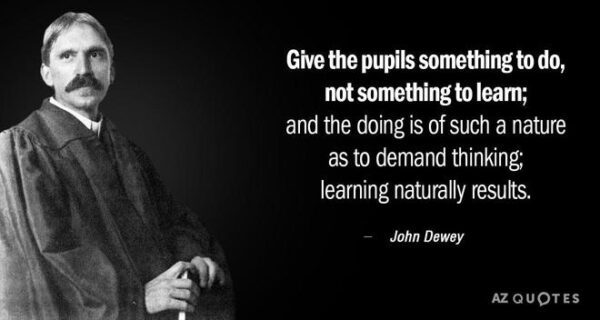
Learn by Doing
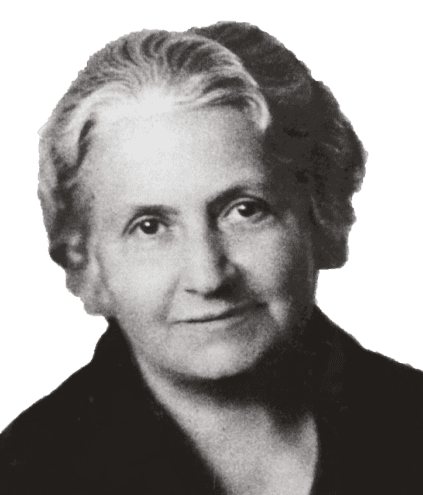
1970-1952
Montessori’s educational method is widely used in education today, globally.
Her theory is based on on play-based learning so learners feel like they ’fit’.
Montessori

Montessori School
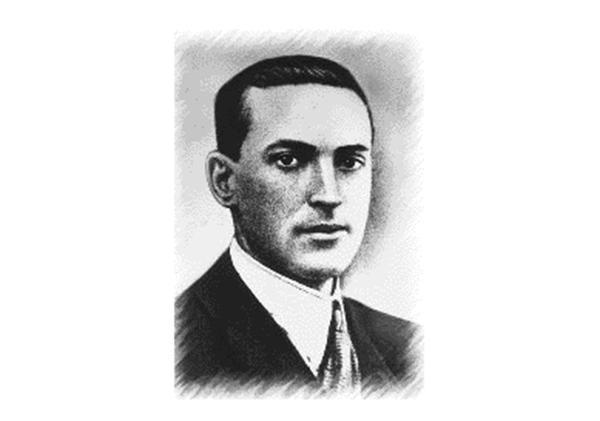
1896-1934
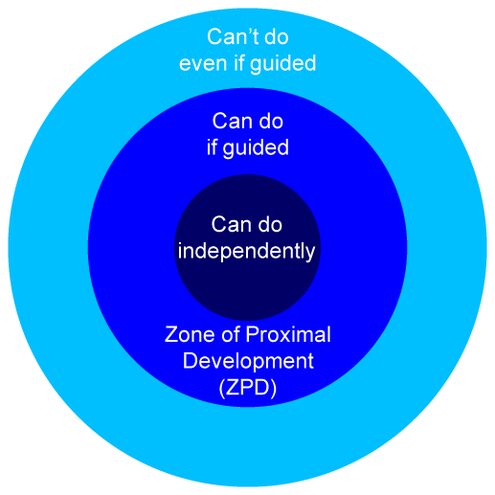
Vygotsky theorised ‘The Zone of Proximal Development – ZPD’, often referred to as ‘scaffolding theory’.
The ZPD is the area between what a learner can do without any help or assistance and what they are unable to achieve even with support and help.
It is in this area, when we are just outside of what we already know and what we are comfortable doing, that Vygotsky theorised the most engagement and learning would occur.
Activities that are too easy for a child are likely to become boring quickly.
If they are too difficult, it will likely be difficult to engage the child.
Vygotsky
ZPD
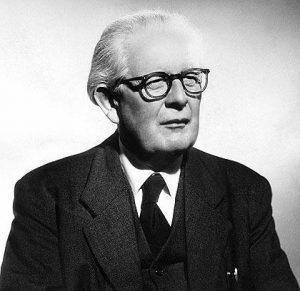
1896 – 1980
Piaget developed and interest in children’s intellectual development.
He believed that children are very different in the way they think to adults.
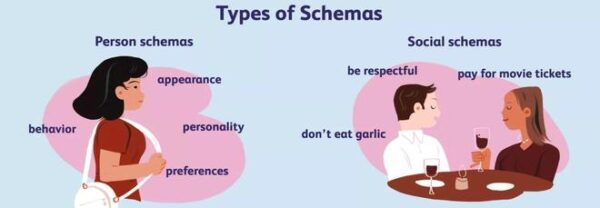
Piaget introduced that ‘schemas’ are patterns of thought or behaviour that manifest in repeatable actions.
Children may want to repeat the same, or similar, actions in order to explore and make sense of the world around them.
Piaget theorised that schemas are an important part of how children learn and develop.
Piaget
Schemas
1908-1970
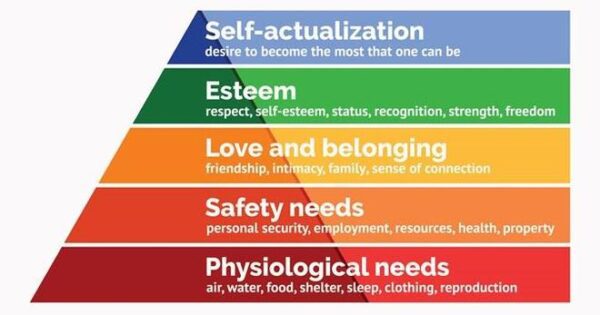
Maslow claimed his ‘Hierachy of Needs’ is paramount for the ‘whole’ child to develop.
He believed that we must build up on each layer of foundations for learning to take place in order to support our learners to become the best versions of themselves, focusing on the positive qualities in people.
Maslow
Hierarchy of Needs
1943-date
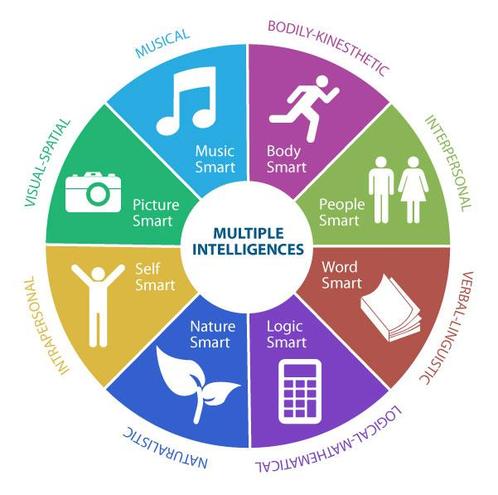
Gardner claims that traditional ‘intelligence’ (IQ) is to narrow a perspective.
He defines intelligence as ‘the ability to solve problems, understand yourself and to be able to socialise.’
All these intelligences are present in all humans; however, it depends on how they’ve been nurtured.

Gardner
Multiple Intelligences
1946-date
Goleman argues that emotional intelligence is as important as IQ for success.
This includes; academic, professional, social and interpersonal aspects of one’s life.
Goleman says that emotional intelligence is a skills that can be taught and cultivated.

Goleman
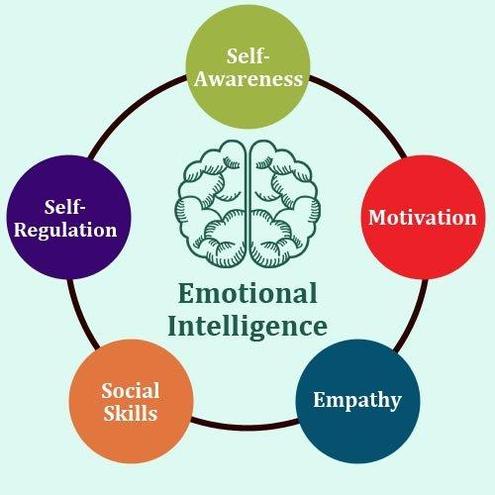
Emotional Intelligence
The Reggio Emilia Approach views that each child is infinitely capable, creative and intelligent. The job of the teacher is to support these qualities and to challenge children in appropriate ways.
Susan Issacs (1885-1948) believed that a child’s emotional state was revealed through imaginary play. Play should therefore be used as a tool to explore and understand a child’s feelings.
The Waldorf method of teaching is a unique educational strategy which aims to create well-rounded students through a broad and balanced curriculum.
**These theories can all be applied within a Forest School setting.**
Holistic Development is the concept that sees each and every child as a whole person – physically, intellectually, emotionally, socially, culturally, morally and spiritually.
The Forest School setting is able to facilitate this concept.
Children develop physically from the top down – so first gaining awareness and increasing control of the head, then arms down to legs and feet.
Gross Motor Skills – the movement and control of large muscle groups for walking, running, jumping and climbing and Fine Motor Skills – involving fine and precise movement of the hands and fingers for drawing, writing, using a knife or tying knots. The physical nature also includes sensory development, the information received into the brain from the senses of sight, hearing, smell, taste, touch, proprioception (the sense of awareness of where the mobile parts of the body, such as arms and legs, are in relation to the rest of the body) and balance.
…is the development of the part of the brain used for recognising, understanding and reasoning (cognitive) and making sense of what is seen, touched, heard etc. (perception).
Language development is to do with the skills of communication – how children understand (receptive speech) and how children express themselves (expressive speech).
…is to do with how children feel about themselves and others and develops a growing understanding about how and why they feel a particular way and how to interact usefully with others.
… is the understanding and cherishing of values and ethics such as honesty, integrity and fair play, and the consequences they bring, leading to developments of responsibility and empathy. Allowing the true authentic self to flourish and its connection to all that is around us.
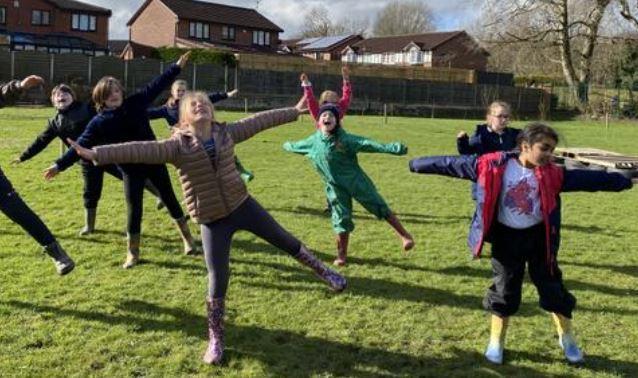

LuLu Leopard (aka Mrs Shaw!)

Jen Jaguar (aka Mrs Shine!)

Mr Biscuit (our helper ranger)
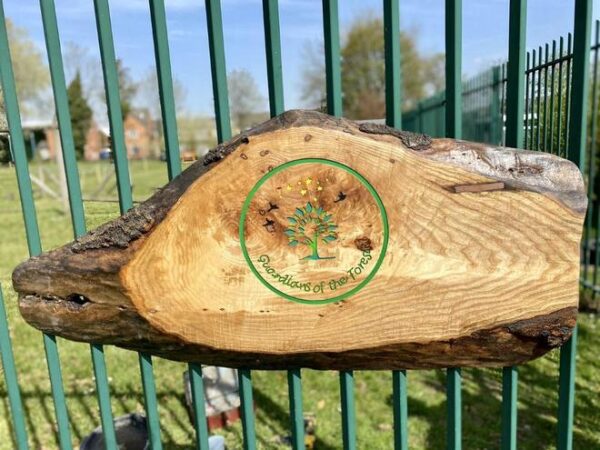
We love our wonderful logo created by our very own Forest School Lead Ranger ‘Maeve Monkey!’

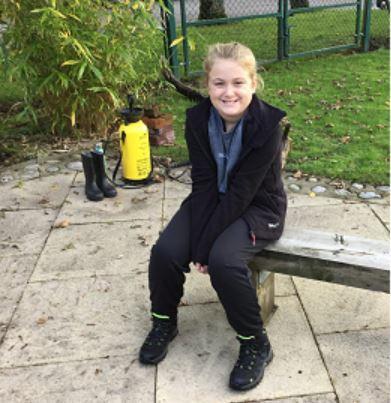
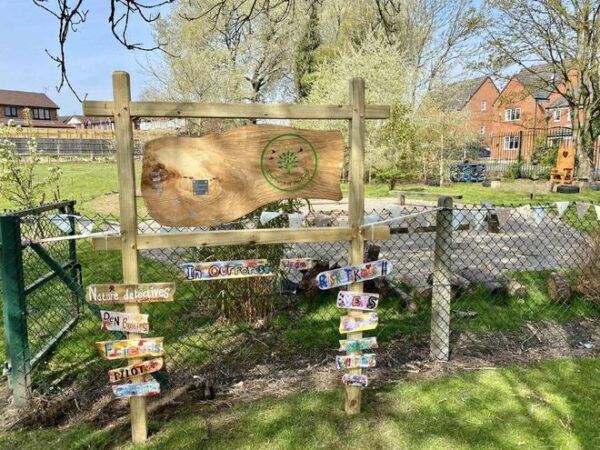
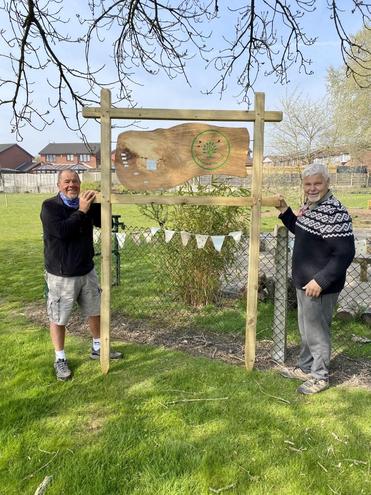
Thank you to former pupils Cillian and Ruby for creating our ‘Guardians of the Forest’ signs with their very talented grandad Kevin Maguire!
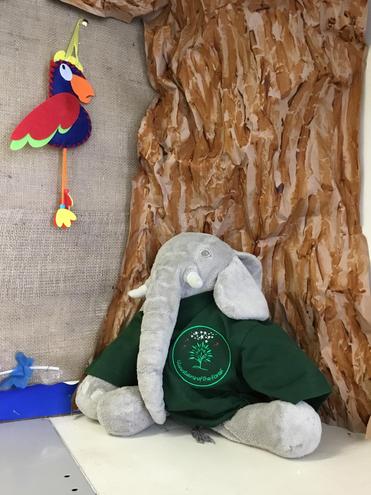
You can even order your very own ‘Guardians of the Forest’ t-shirt and cap from the school office!
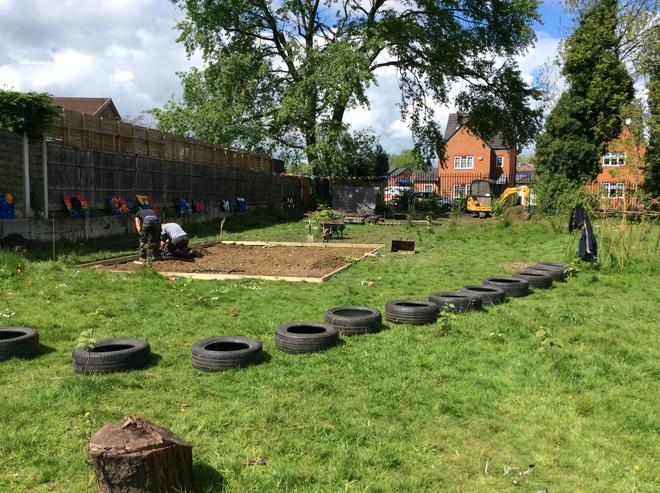
The tree planting is supported by City of Trees as part of the Northern Forest initiative with the aim to expand and develop urban woodland, increase wildlife and develop biodiversity in the area.
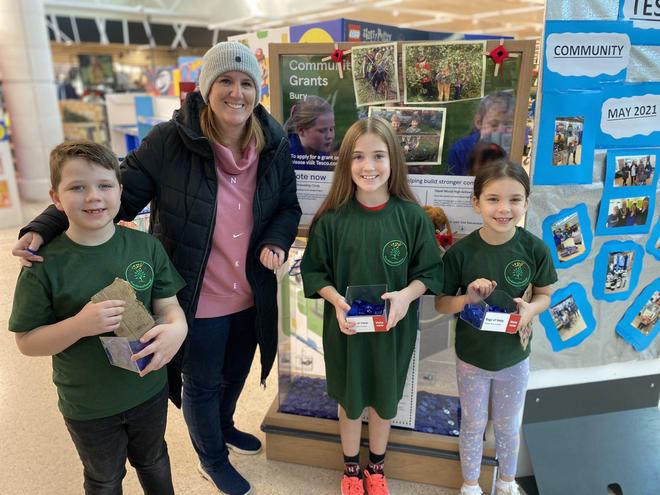
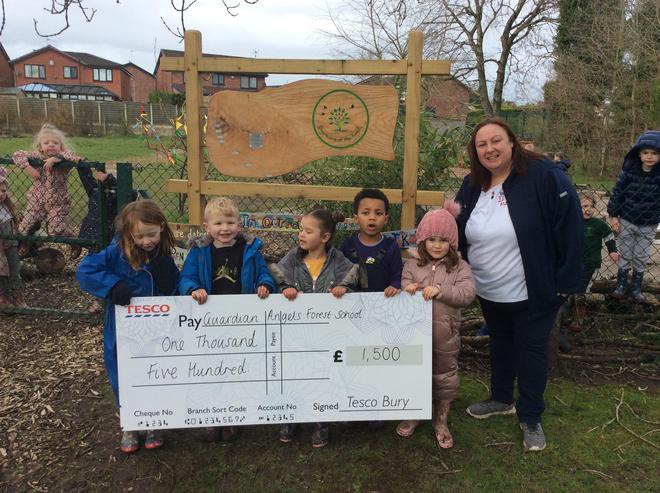
Our lead rangers have passed their practical assessment and both have their ‘Forest Schools’ and ‘Paediatric’ First Aid Certificates!
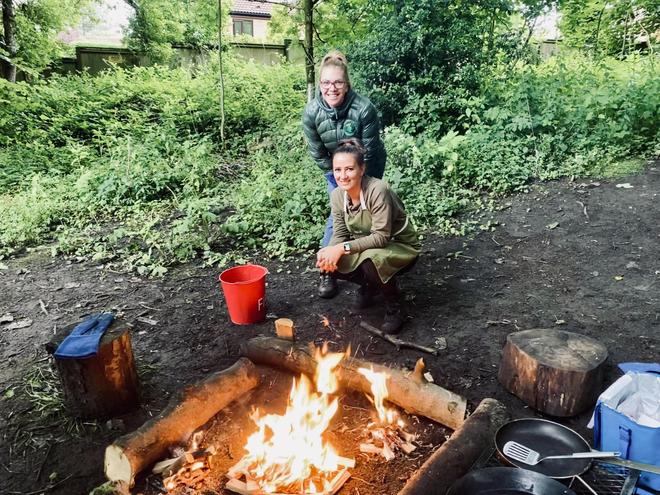
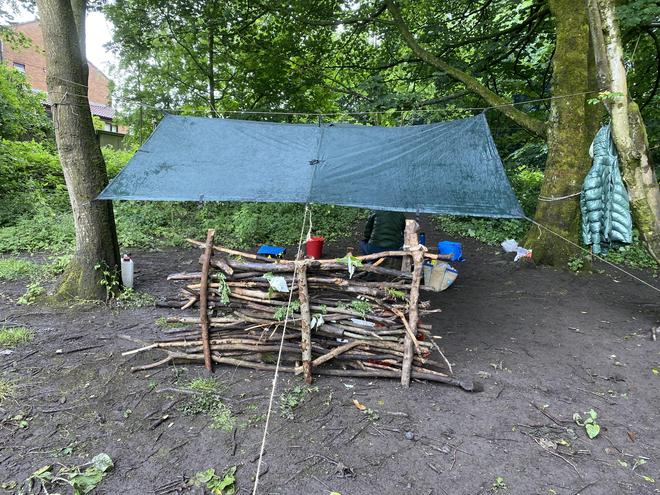
Guardians of the Forest
Where we grow, alongside nature.
We follow in the footsteps of Jesus to Love, Learn and Grow.
Take a look at our learning journey.